

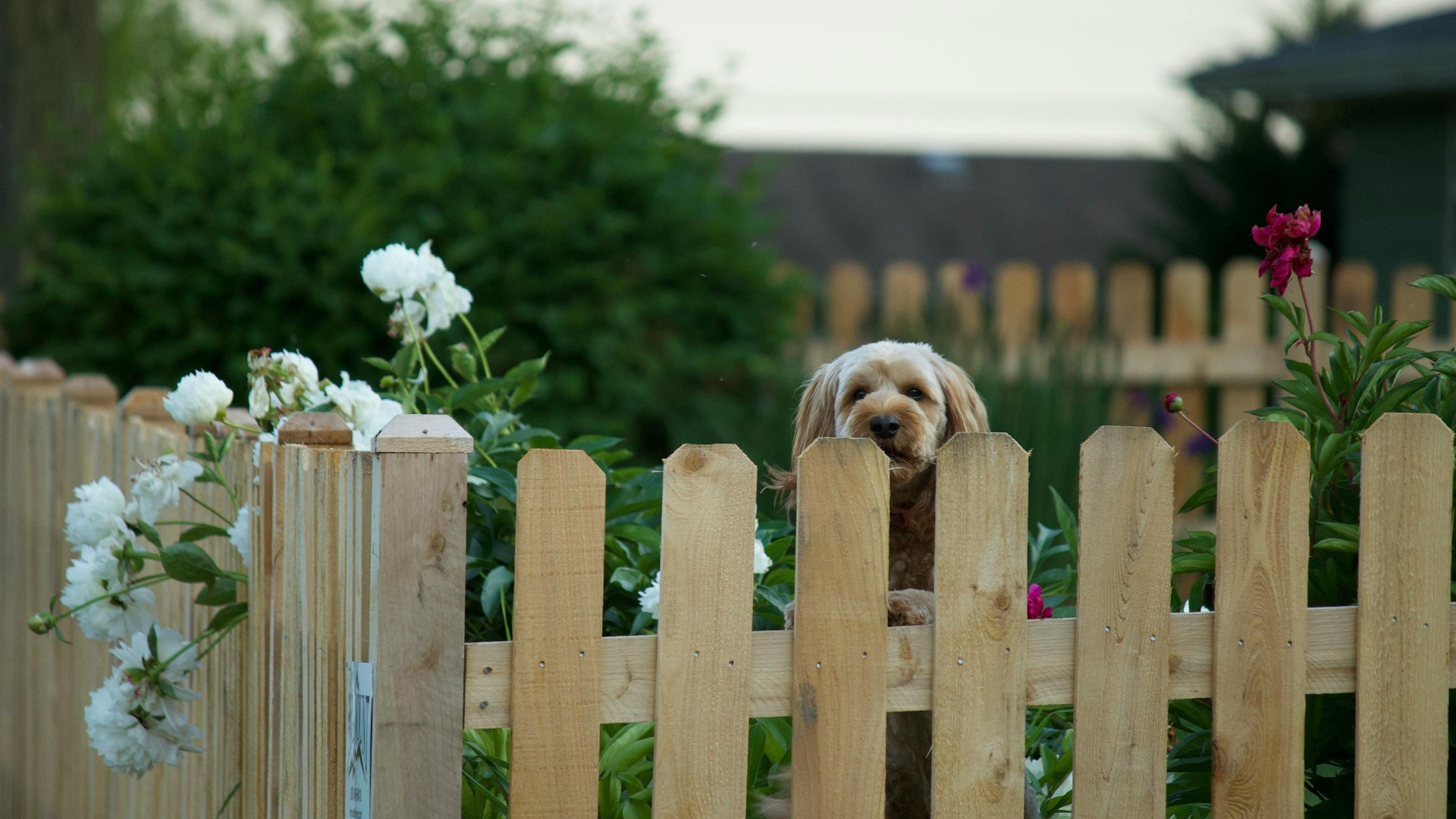
Creating a pet-safe backyard is essential for every pet owner who wants to ensure a secure and enjoyable environment for their furry companions. By implementing a few straightforward strategies, you can transform your outdoor space into a haven for pets, minimizing risks and maximizing fun. This guide will outline the key elements necessary for achieving a safe and engaging backyard tailored to the needs of pets.
When considering the design, it is crucial to focus on fencing, plants, and surfaces. Choose appropriate fencing to prevent escapes, select pet-friendly plants, and ensure that all surfaces are safe for play. These considerations will help create a space where pets can roam freely without hazards.
Incorporating features like shade, water sources, and designated play areas can enhance a pet’s outdoor experience. By paying attention to these details, pet owners can contribute to their pets’ health and happiness while enjoying peace of mind.
Ensuring Safety with Secure Fencing
A secure fence is crucial for creating a safe, pet-friendly backyard. It prevents pets from escaping and protects them from outside dangers. Understanding the importance of selecting the right fence type, addressing escape risks, and mitigating common hazards will help ensure a secure environment.
Selecting Appropriate Fence Types
Choosing the right fence is vital. The fence should be tall enough to deter jumping and solid enough to prevent intrusion.
Consider these popular pet-friendly fencing options:
- Wood Fences: Offers privacy and can be customized in height. Ensure the boards are close together to prevent small animals from squeezing through.
- Vinyl Fences: Durable and low-maintenance. It’s often solid and high enough to discourage jumping.
- Chain Link Fences: Cost-effective and allow visibility. Use slats or barriers to block gaps and enhance security.
When selecting a fence, consider local regulations and neighborhood aesthetics as well.
Preventing Escape and Digging
Pets, especially dogs, may attempt to escape if they feel compelled. They can dig under fences or jump over them.
To prevent these behaviors:
- Install fences that are at least six feet tall for dogs that jump.
- Bury the fence at least a foot underground. This deters digging and reinforces stability.
- Use deterrents such as gravel or concrete along the base to make digging less appealing.
- Create barriers with heavy rocks or landscaping features that obstruct access to fence lines.
Training pets to stay within the yard is also an important part of this equation.
Addressing Common Backyard Hazards
A secure backyard is more than just fenced; it should be free from potential hazards.
Focus on these risks:
- Toxic Plants: Remove or securely fence off toxic plants such as oleander and azalea.
- Sharp Objects: Ensure tools, branches, or glass shards are picked up regularly.
- Poisonous Chemicals: Store fertilizers, pesticides, and other chemicals safely, away from pet access.
Regular yard maintenance contributes to a safe environment. Familiarity with potential dangers keeps pets secure and happy.
Providing Comfort and Shelter for Pets
Creating a pet-friendly backyard involves carefully considering shelter and comfort. Ensuring pets have a safe, relaxed environment contributes to their overall well-being.
Integrating Doghouses and Outdoor Shelters
A well-constructed doghouse is essential for any backyard accommodating pets. It should offer ample space, allowing pets to stand up, turn around, and lie comfortably. The structure must be elevated to prevent water accumulation and insulated for protection against extreme weather.
Materials like treated wood or durable plastic are recommended for longevity. Ventilation is crucial; include openings that allow airflow while keeping out rain and wind. Position the doghouse in a quiet area away from high-traffic zones to reduce stress for pets.
Designing Shaded Areas for Relaxation
Shaded areas provide pets with relief from harsh sunlight and heat. Consider trees or awnings that cast natural shade, allowing pets to lounge comfortably. Man-made solutions include pergolas or shade sails that can be strategically placed to cover resting spots.
Grass or soft mulch under these areas enhances comfort. An additional option is to incorporate cooling mats for hot days, providing a direct way to cool down. Ensuring that shaded areas are accessible and inviting encourages pets to use them regularly.
Choosing Pet-Safe Outdoor Bedding
Selecting appropriate bedding is vital for ensuring pet comfort outdoors. Materials should be weather-resistant yet comfortable, allowing pets to rest easily. Options like outdoor cushions, mats, or blankets made from breathable fabrics are ideal.
Pet owners should avoid bedding filled with toxic chemicals or small parts that could pose choking hazards. Regularly washing bedding can minimize odor and bacteria, maintaining a healthy resting area. Lastly, consider using removable covers for ease of cleaning, promoting hygiene in the pet-friendly backyard.
Incorporating Water Features and Enrichment
Creating a pet-safe backyard involves integrating water features and play structures that provide both hydration and enrichment. These elements not only enhance the aesthetic appeal of the yard but also contribute to the well-being of pets.
Safe Water Sources for Hydration
Maintaining hydration is essential for pets, especially during warmer months. Pet owners should ensure fresh, clean water is readily available. Here are some options for providing safe water sources:
- Water Bowls: Use stainless steel or heavy ceramic bowls that resist tipping over. They should be placed in shaded areas to keep the water cool.
- Automatic Waterers: Consider automatic water dispensers that continuously supply fresh water, preventing stagnation.
- Natural Streams: If incorporating a natural stream, make sure it flows freely and avoids algae, which can be harmful.
Regularly check and refill water sources to ensure that pets have access to hydration at all times.
Pet-Friendly Water Feature Ideas
Water features can beautify a backyard while providing a fun environment for pets. Here are a few safe ideas:
- Shallow Ponds: Design a shallow pond with sloping edges to allow easy access for pets. Include filtration systems to maintain cleanliness.
- Waterfalls: Small waterfalls can be an engaging feature. Ensure water circulation to prevent stagnation and mosquito breeding.
- Splash Pads: Installing a splash pad with gentle sprays can provide a fun way for pets to play and cool off.
When designing water features, prioritize safety by ensuring there are no sharp edges and that slopes are gradual. Supervise pets around these features to prevent accidents.
Enrichment Through Play Structures
Enriching a pet’s environment boosts their physical and mental health. Adequate play structures fulfill these needs effectively:
- Agility Courses: Consider a backyard agility course with tunnels, jumps, and weave poles tailored for the pet’s size and capabilities.
- Climbing Areas: Adding safe, sturdy climbing structures encourages exploration and exercise.
- Interactive Toys: Incorporate toys that dispense treats to stimulate pets mentally while they play.
Regularly rotate or change these structures to maintain interest and motivation. A well-designed play area will keep pets entertained and active in a safe environment.
Maintaining a Pet-Safe and Functional Yard
Creating a pet-safe backyard requires careful planning and ongoing maintenance. Focusing on non-toxic plants, designated zones for pets, and routine upkeep can significantly enhance both safety and functionality.
Using Non-Toxic Plants and Mulch
Selecting non-toxic plants is crucial for a pet-friendly backyard. Some common non-toxic options include:
- Marigolds
- Sunflowers
- Basil
- Catnip
Avoid toxic varieties like oleander and azaleas, which can harm pets if ingested. When choosing mulch, opt for cedar or pine, as some types can be harmful.
Check the packaging for any harmful additives. This choice not only ensures safety but also creates a vibrant, appealing garden for both pets and humans.
Setting Up Designated Pet Zones
Creating specific areas for pets to play can help manage their activity and protect landscaped areas. Designated zones can include:
- Grassed Play Areas: Ensure these are free of chemicals.
- Digging Pits: A specific place for digging can protect other garden areas.
- Shade Spots: Provide shaded areas with comfortable seating for pets.
Fencing these zones helps keep pets contained while avoiding potential hazards. These set boundaries make it easier to maintain the overall landscape while allowing pets to enjoy their environment.
Routine Yard Maintenance for Pet Safety
Regular maintenance is vital in keeping a backyard safe for pets. This includes:
- Clearing Debris: Remove sticks, rocks, and leaves to prevent injury.
- Inspecting Fencing: Ensure no gaps or holes could allow pets to escape.
- Weed Control: Use non-toxic herbicides or manual methods to manage weeds.
Additionally, regularly check for any toxic plants or items left outdoors, such as chemicals or sharp objects. Consistent yard maintenance protects pets and preserves the backyard’s functionality.