

Managing household tasks can often feel overwhelming, especially when juggling multiple responsibilities. Establishing a clear system for organizing and prioritizing tasks significantly reduces stress and enhances efficiency. By implementing simple strategies, individuals can create a more manageable routine that fits their lifestyles.
Creating a list of daily, weekly, and monthly tasks helps in visualizing what needs to be done. Prioritization is key; focusing on high-impact tasks first ensures that important chores are completed without last-minute pressure. Utilizing tools like calendars and apps can streamline this process, providing reminders and fostering accountability.
Incorporating small daily habits can further lighten the load. Whether it’s setting aside a few minutes each day for tidying up or involving family members in chores, small actions accumulate to make a significant difference. With the right mindset and tools, managing household tasks can transform from a source of stress into a more seamless part of daily life.
Creating a Stress-Free Household Management System
To manage household tasks effectively, one can create a system that minimizes stress. This involves establishing a chore schedule, prioritizing responsibilities, and using tools such as checklists for better organization.
Establishing a Realistic Chore Schedule
A realistic chore schedule is essential for maintaining order. It helps in dividing tasks evenly, preventing any single individual from feeling overwhelmed.
- Frequency: Determine how often each task should be completed—daily, weekly, or monthly.
- Time Blocks: Allocate specific times for chores within one’s day, ensuring these tasks fit seamlessly into daily routines.
Utilizing a shared calendar can encourage accountability among all household members. Personal preferences and commitments also play a vital role in making this schedule effective.
Prioritizing and Delegating Household Tasks
Prioritizing household tasks allows individuals to focus on what is truly essential. Some strategies include:
- Urgency vs. Importance: Identify which tasks need immediate attention versus those that can be scheduled later.
- Categorization: Group chores by type (cleaning, laundry, grocery shopping) to streamline efforts.
Delegation is also key in effective household management. Assign specific tasks to family members based on their strengths or availability. This not only reduces individual workloads but also fosters teamwork.
Using Checklists and Task Trackers
Checklists serve as valuable tools for tracking progress on household chores. They provide clear visual cues and can enhance motivation through completion.
- Daily Checklists: List daily chores to encourage consistent effort.
- Monthly Trackers: Use monthly trackers for less frequent tasks to avoid overlooking them.
Digital apps or simple paper lists can work depending on what fits best with individual preferences. Regularly reviewing these tools assists in evaluating what works and what needs adjustment.
Essential Routines and Practical Cleaning Strategies
Establishing effective cleaning routines and utilizing practical strategies can greatly reduce household stress. Consistency in cleaning habits and smart methods streamline the process, making it less daunting.
Building Consistent Cleaning Habits
Creating a cleaning routine helps maintain a tidy home. She can establish specific days for vacuuming, laundry, and deep cleaning. For example, designating Mondays for vacuuming and Thursdays for laundry keeps tasks manageable.
Incorporating short, daily tasks can also prevent clutter. Committing just 10-15 minutes to tidying up each day makes a significant difference. A checklist can be useful for accountability, allowing her to track progress and feel accomplished.
Implementing ‘Clean As You Go’ Methods
The ‘clean as you go’ approach is effective in minimizing mess. When cooking, she can wash utensils and wipe surfaces immediately after use, reducing the need for extensive clean-up later.
For laundry, folding clothes directly from the dryer prevents piles from forming. Emphasizing this practice throughout the home ensures spaces remain organized. Using storage solutions, like baskets for items in transition, keeps everything in its place.
Using Time-Saving Appliances and Tools
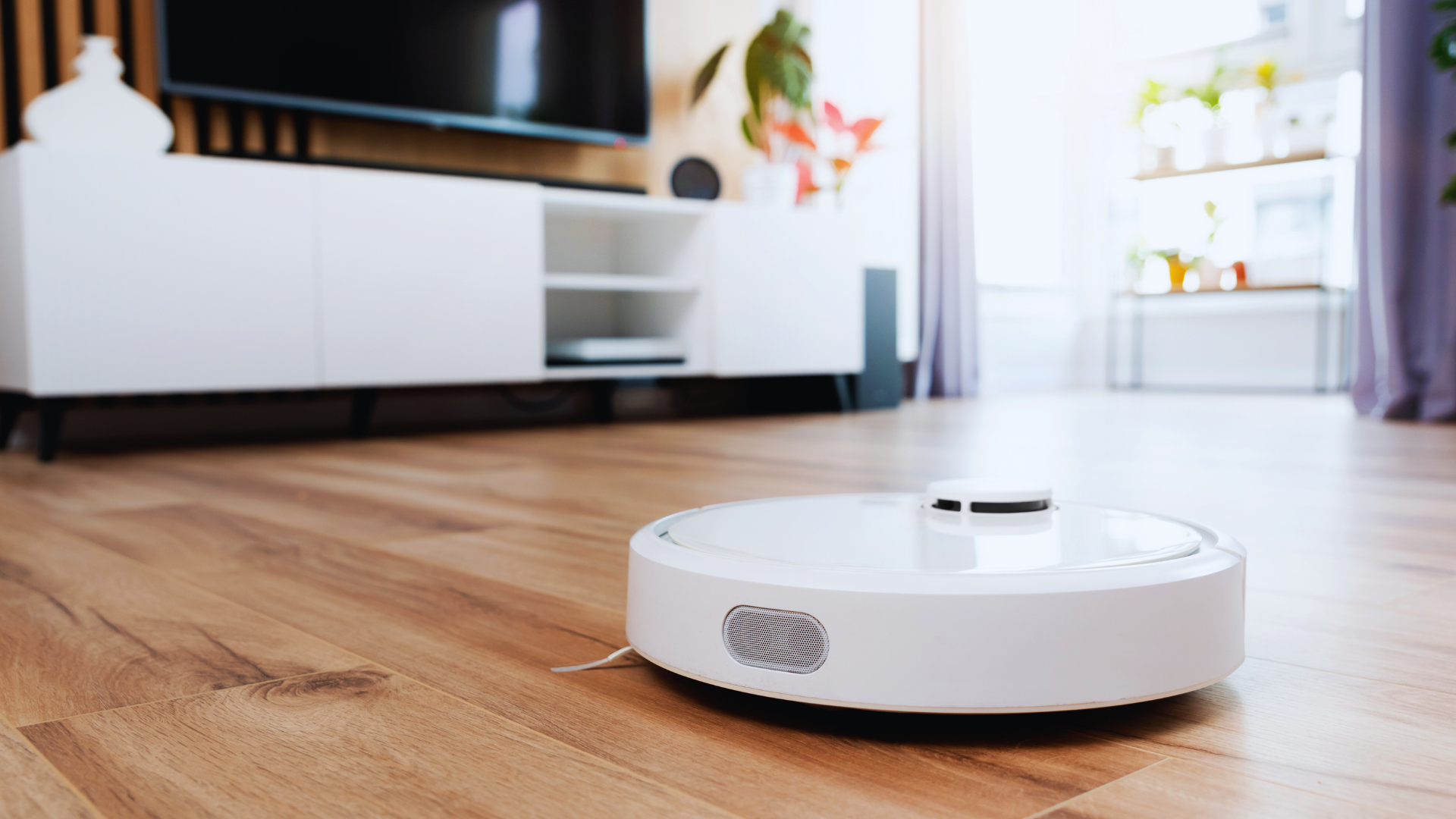
Incorporating modern appliances and tools can enhance cleaning efficiency. A robotic vacuum is ideal for maintaining clean floors with minimal effort. Scheduling it to run daily ensures dirt and debris are frequently addressed.
A dishwasher saves significant time on post-meal clean-up. Using an all-purpose cleaner simplifies the process for countertops and tables. Additionally, investing in quality cleaning supplies can reduce the frequency of deep cleaning, as they often tackle grime more effectively, leading to a cleaner home with less effort.
Decluttering and Organization for Lasting Order
Creating an organized and decluttered space reduces stress and enhances functionality. By implementing regular tidying practices, optimizing storage, and following room-specific strategies, individuals can achieve lasting order in their households.
Declutter Regularly and Maintain Tidy Spaces
Regular decluttering rituals can transform high-traffic areas into functional spaces. Setting a schedule, such as weekly or monthly, can help keep clutter at bay.
A simple method to declutter is the Four-Box Method:
- Keep: Items that are essential or meaningful.
- Donate: Items in good condition no longer needed.
- Toss: Damaged or broken items.
- Storage: Seasonal or infrequently used items.
Maintaining tidy spaces involves daily habits, such as making the bed or clearing kitchen counters. Encouraging family members to participate fosters accountability and creates a shared environment of order.
Optimizing Storage Solutions
Effective storage solutions maximize space while keeping items accessible. Use vertical space by adding shelves or using wall-mounted organizers.
Incorporate multifunctional furniture, such as ottomans with hidden storage or beds with drawers. Use clear bins for visibility in closets and label containers for easy identification.
Consider creating zones within rooms, such as designating specific drawers for art supplies or tools. This not only organizes items but also reduces time spent searching, easing the overall management of household tasks.
Room-by-Room Organizing Strategies
Each room in a household presents unique organizational challenges.
In the kitchen, prioritize frequently used items by storing them within easy reach. Utilize drawer dividers for utensils to prevent chaos.
In the living room, employ baskets to contain remote controls and magazines.
In bedrooms, declutter closets by season, rotating clothing items to keep current fashion accessible. Use under-bed storage for seasonal items, reducing visual clutter.
Approaching each room with specific strategies creates a more organized environment, enhancing ease and satisfaction in daily life.
Streamlining Meal and Grocery Routines
Efficient meal planning and grocery shopping can significantly reduce household stress. By implementing structured strategies, individuals can save time and enhance their cooking experience.
Meal Planning and Prep Techniques
Establish a weekly meal plan to outline dinners, lunches, and breakfast options. A template can simplify this process. Consider using a table to track meals and ingredients.
Example Meal Plan:
|
Day |
Breakfast | Lunch | Dinner |
|
Monday |
Oatmeal |
Salad | Stir-fry |
| Tuesday | Smoothie |
Sandwich |
Pasta |
| Wednesday | Eggs & Toast | Leftovers |
Tacos |
Set aside a few hours each week for meal prep. Chop vegetables, marinate proteins, and portion out snacks. This approach ensures ingredients are ready to cook and reduces daily decision fatigue.
Smart Grocery Shopping Strategies
Create a detailed shopping list that aligns with the meal plan. Organizing the list by grocery store sections can save time while shopping.
Consider using a digital app to track pantry items and avoid duplicate purchases. Always check for items in stock before heading to the store.
Tips for Groceries:
- Stick to the perimeter of the store for fresh foods.
- Buy in bulk for non-perishable items.
- Consider seasonal produce for better prices.
Implementing these strategies can lead to a smoother cooking process and less stress during grocery shopping.