

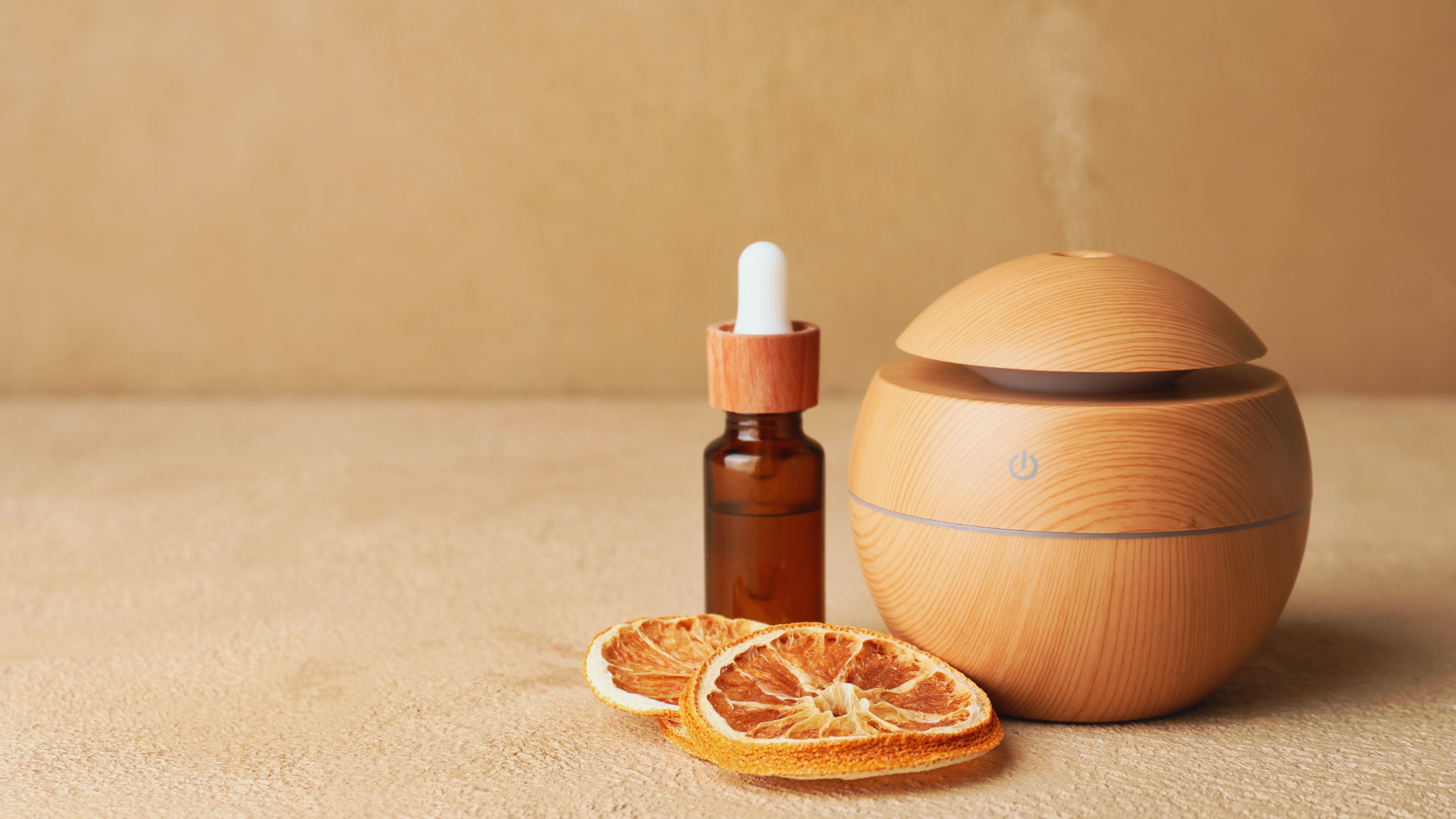
Creating an inviting atmosphere in a home starts with its scent. Incorporating natural elements such as essential oils, fresh flowers, or simmering spices can significantly enhance a space’s aroma. These simple changes contribute not just to pleasant smells but also to overall well-being.
Many people overlook the importance of regular cleaning, which plays a crucial role in maintaining a fresh-smelling home. Dust, mold, and stale air can all lead to unpleasant odors. Utilizing air purifiers and engaging in routine cleaning ensures a clean foundation for delightful fragrances to thrive.
Moreover, personalizing scent through candles, incense, or potpourri adds a unique character to individual spaces. Experimenting with different combinations can help identify what resonates best and creates the desired ambiance. With a few intentional choices, transforming a home into a fragrant oasis is achievable.
Fundamentals of Creating an Amazing Home Smell
Creating an inviting aroma in a home involves understanding scents and the impact of unpleasant odors. Knowing these fundamentals can lead to a more enjoyable living space.
Understanding Scent and Fragrance
Scent plays a crucial role in how one perceives a space. Different fragrances evoke various emotions and memories. For example, citrus scents like lemon or orange can evoke feelings of freshness and energy.
Using essential oils, candles, or diffusers can enhance the atmosphere. Popular scents include lavender for relaxation, vanilla for warmth, and eucalyptus for a clean feeling.
A harmonious blend of aromas creates a multi-layered sensory experience. Combining several fragrances can be effective, but balance is key. Too many strong scents can clash and overwhelm.
The Science Behind Bad Smells
Bad smells often result from the decomposition of organic matter, such as food waste, as well as other sources like pet odors. These unpleasant odors commonly originate in areas like the kitchen, bathroom, and trash bins. Therefore, effectively addressing these smells is essential for maintaining a pleasant home environment.
For instance, when a drain becomes clogged, stagnant water and trapped organic material begin to break down, producing foul odors similar to those found elsewhere in the home. If this issue is left unaddressed, the smells can intensify and spread, making the space uncomfortable. In such situations, hiring the Best Plumber promptly can prevent the problem from worsening and restore proper drainage
Similarly, appliances such as garbage disposals can accumulate food particles that decompose over time, leading to persistent kitchen odors. Properly discarding food waste and regularly cleaning the disposal can help minimize these smells.
Furthermore, since bacteria are often responsible for many unpleasant odors, regular cleaning and proper ventilation play a crucial role in reducing their presence. In this context, baking soda serves as a natural deodorizer that effectively absorbs unwanted smells.
In addition to cleaning practices, using air purifiers can help mitigate bad odors. Moreover, certain plants, such as spider plants and peace lilies, naturally filter the air and reduce odors. Taken together, these methods contribute significantly to creating a fresh and inviting home atmosphere.
Effective Methods to Make Your Home Smell Amazing
Creating a pleasant aroma in the home enhances the atmosphere and overall comfort. Utilizing essential oils, selecting suitable air fresheners, and incorporating potpourri are effective strategies for achieving an inviting scent.
Using Essential Oils Throughout the Home
Essential oils offer a natural and customizable approach to scenting a home. Popular oils include lavender, lemon, and eucalyptus, each providing distinct aromas.
To disperse essential oils, individuals can use diffusers, which can be ultrasonic, nebulizing, or heat-based.
Moreover, oils can be mixed with water in a spray bottle for quick and easy room freshening.
Tips for using essential oils:
- Choose high-quality oils to ensure purity and potency.
- Experiment with blends, such as orange and cinnamon, for a warm scent.
- Use oils safely around pets, as some may be harmful.
Choosing the Right Air Fresheners
When selecting air fresheners, individuals should consider effectiveness and safety. There are various types available, including sprays, plug-ins, and gels.
Sprays provide immediate scent but may require frequent application. Plug-ins offer consistent aromas, while gels slowly release scent over time.
Key factors to consider include:
- Scent intensity: Some may prefer subtle scents, while others like stronger fragrances.
- Ingredients: Opt for products with natural or eco-friendly ingredients to avoid harmful chemicals.
- Longevity: Check how long the scent lasts and plan accordingly.
Incorporating Potpourri for Lasting Scents
Potpourri provides a decorative and long-lasting scent solution. Typically made from dried flowers, spices, and essential oils, it can be placed in bowls around the home.
To create personalized potpourri, individuals may combine dried roses, cinnamon sticks, and orange peel, enhancing the aesthetic and fragrance of the space.
Maintenance is simple:
- Refresh with additional essential oils as needed.
- Change the mixture every few months to keep the scent vibrant.
By exploring these methods, anyone can create an inviting and pleasant environment in their home.
Room-by-Room Scent Strategies
Creating a pleasant aroma in every room can enhance the overall atmosphere of a home. Each area has its own unique needs when it comes to scents and eliminating bad smells. However, a common source of unpleasant household scents in household rooms is the HVAC system that circulates air through different rooms. These systems, along with air conditioners, can spread unwanted odors caused by mold, dust, or lingering moisture. For such issues, one can learn more about services that can address musty AC smells and offer effective ways to keep indoor air fresh and clean.
If persistent musty smells trace back to the cooling system, it’s often worth bringing in a trained technician to inspect ducts, coils, and drain pans. Reaching out to the best AC company in Tampa (or elsewhere) can help pinpoint mold hotspots, recommend targeted cleaning or component replacement, and suggest ventilation adjustments that reduce odor recirculation. They can also outline routine maintenance—such as coil cleaning and condensate-line flushing—that improves indoor air quality and helps prevent recurring smells. Choosing an installer familiar with local humidity patterns ensures practical, long-term fixes that keep rooms fresher year-round.
Optimizing the Kitchen Atmosphere
The kitchen often combines cooking smells, which can sometimes be unappealing. To optimize this space, she can use essential oils like lemon or peppermint. These oils not only mask unwanted odors but also create a fresh, clean sensation.
Using a bowl of baking soda can help absorb stubborn smells. A simmering pot of water with herbs like rosemary, thyme, or cinnamon can also fill the room with delightful scents. Freshly cut fruits, like citrus, can add a vibrant touch as well.
Refreshing Bedrooms and Living Spaces
Bedrooms and living areas benefit from calming scents that promote relaxation. Lavender, chamomile, and sandalwood are excellent choices. They can be used in diffusers, pillows, or linen sprays to enhance the relaxation experience.
In living spaces, incorporating scented candles or wax melts can create ambient fragrances. Air-purifying indoor plants, such as peace lilies and spider plants, also improve air quality and provide subtle scents. Regularly airing out these spaces helps eliminate stale odors, keeping them fresh.
Enhancing Bathroom Freshness
Bathrooms require specific strategies to combat bad smells effectively. Citrus scents, such as orange or grapefruit, offer a fresh and invigorating fragrance. They can be used in candles or potpourri bowls.
Keeping a bowl of activated charcoal can help absorb moisture and odors. Additionally, placing eucalyptus branches in the shower can provide a spa-like aroma while helping to clear the sinuses. Regular cleaning with essential oils like tea tree can also help maintain freshness.
Tips for Maintaining a Consistently Pleasant Home Fragrance
To keep a home consistently smelling pleasant, regular upkeep and effective solutions are essential. Focusing on cleaning and utilizing DIY methods can greatly enhance the overall aroma of any space.
Routine Cleaning for Odor Prevention
Regular cleaning is crucial for preventing unpleasant odors. Vacuum carpets, rugs, and upholstery at least once a week to remove dirt and debris that can contribute to smells. Pay attention to high-traffic areas where odors tend to linger.
Wiping down surfaces with a mixture of vinegar and water not only disinfects but also neutralizes odors. Don’t forget to clean often-overlooked spots such as under furniture and behind appliances.
Furthermore, to tackle stubborn soap scum and water spots on shower enclosures, try targeted vinegar-based mixtures that break down grime without harsh chemicals. Several simple recipes—combining vinegar with mild dish soap or a touch of baking soda—are especially effective at restoring clarity to glass and reducing lingering odors. For clear, step-by-step DIY recipes and application tips on cleaning shower glass doors, this guide walks through five practical mixtures and when to use them. Integrating one of these mixes into a weekly wipe-down routine can keep showers looking fresher between deeper cleans.
Kitchen and bathroom cleaning should be done more frequently due to moisture and food particles. Using baking soda in garbage cans and drains can absorb unwanted smells. Regularly take out the trash and keep pet areas clean to maintain a fresh environment.
DIY Solutions for Quick Results
DIY solutions offer quick and effective ways to enhance home fragrance. A simple and popular method is simmering a pot of water with citrus peels, herbs, or spices. This can fill space with a delightful scent in minutes.
Another effective approach is making scented sachets. Using dried lavender, rosemary, or other fragrant herbs, they can be placed in drawers, closets, or under pillows for a subtle aroma.
Essential oils are versatile and can be used in diffusers or combined with baking soda to create a powerful room deodorizer. Creating a spray with water and essential oils can also refresh fabrics and soft surfaces throughout the home.
By implementing these strategies, a consistently pleasant home fragrance can be achieved.