

As the quest for a more sustainable lifestyle gains momentum, smart home gadgets emerge as powerful allies in this journey. These devices not only enhance convenience but also significantly reduce energy consumption, leading to a more eco-friendly home environment. From smart thermostats to energy-efficient lighting, these innovations allow individuals to monitor and adjust their energy use with ease.
Integrating technology into everyday life can streamline efforts toward sustainability. Many smart home devices offer features such as remote control and automation, enabling users to minimize waste and optimize their energy efficiency effortlessly. By making informed choices through these tools, people can actively contribute to a healthier planet.
The rise of sustainable living solutions can greatly benefit from advancements in smart home technology. In addition to reducing environmental impact, these gadgets offer practical benefits, making them an attractive option for those looking to foster a greener lifestyle. Embracing these innovations can be a transformative step toward maintaining a sustainable home.
Fundamentals of Sustainable Smart Homes
Smart homes use technology to enhance energy efficiency and promote sustainable living practices. Understanding how these systems operate can illuminate their role in conserving resources and minimizing waste.
How Smart Gadgets Enable Sustainable Living
Smart gadgets play a pivotal role in managing energy consumption and enhancing home efficiency. For example, smart thermostats learn user preferences and adjust heating or cooling accordingly, which can reduce energy use by 10-15%.
Smart lighting systems adapt to natural light levels, minimizing electricity requirements. Other devices, like smart plugs and energy monitors, provide real-time feedback on energy usage, enabling accurate strategies for reduction. By integrating these tools, homeowners can ensure that their actions actively contribute to sustainability.
Key Principles of Energy and Resource Conservation
Energy conservation focuses on reducing consumption without sacrificing comfort or convenience. Key principles include:
- Efficiency: Using high-efficiency appliances and systems leads to lower energy use.
- Renewable Sources: Incorporating solar panels or wind turbines significantly reduces reliance on fossil fuels.
- Smart Water Management: Advanced irrigation systems and low-flow fixtures conserve water effectively.
Prioritizing these principles allows smart homes to use fewer resources while still providing essential services. Such approaches contribute to lowered utility bills and reduced carbon footprints.
The Role of Automation in Reducing Waste
Automation enhances waste reduction through intelligent management of household tasks. Automated systems can optimize processes like recycling by notifying residents when it’s time to sort materials, ensuring proper disposal.
Additionally, smart appliances can automatically schedule themselves to run during off-peak hours, optimizing energy use. Continuous monitoring of food inventory through smart fridges can help minimize food waste by prompting timely meal preparation.
Overall, the right automation tools empower homeowners to make choices that align with their sustainability goals.
Smart Home Gadgets for Energy Efficiency
Smart home gadgets play a vital role in enhancing energy efficiency within modern households. By automating and optimizing everyday functions, these devices help reduce energy consumption and lower utility bills.
Smart Thermostats and Intelligent Heating Controls
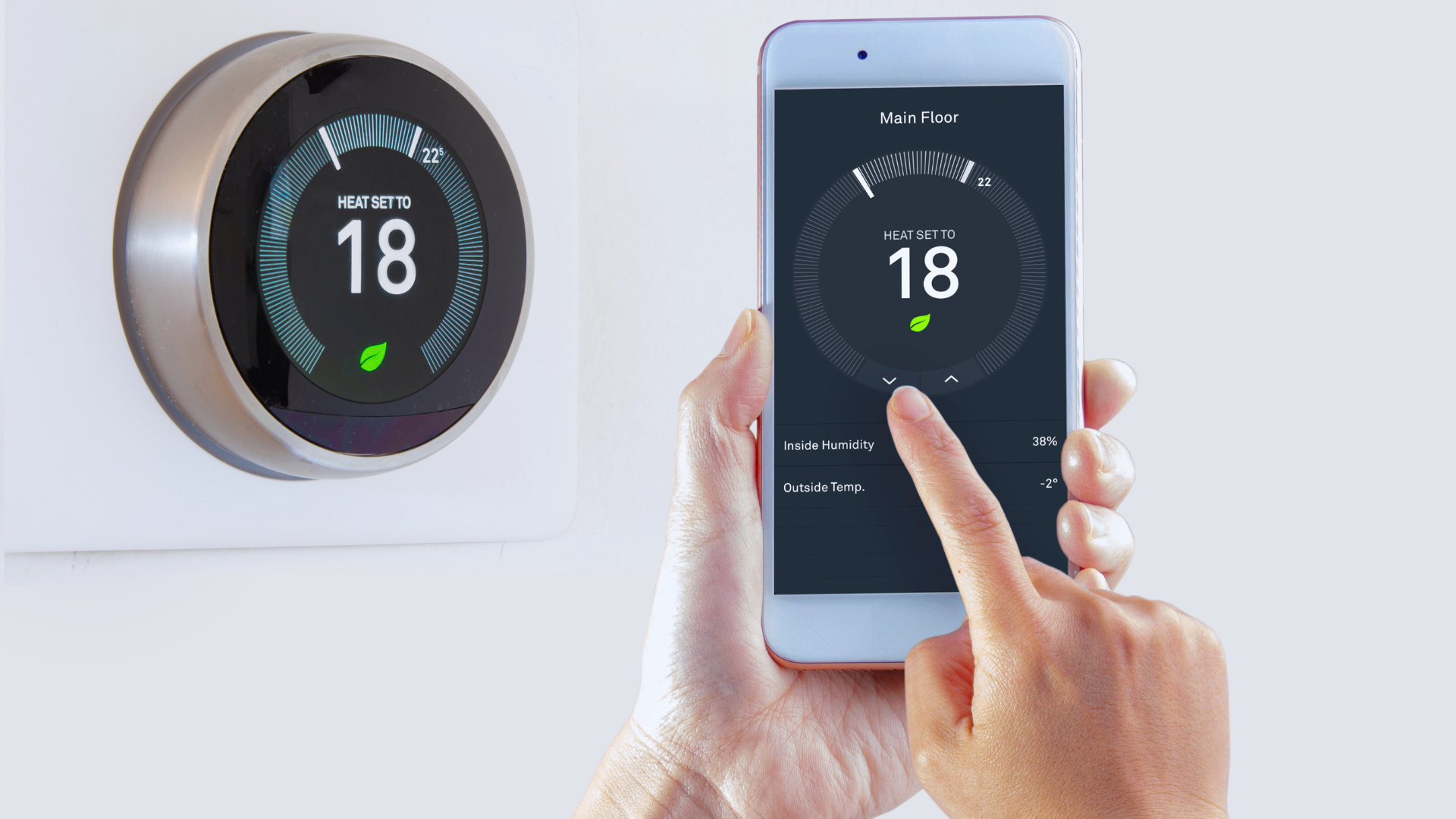
Smart thermostats, like the Google Nest Thermostat, offer precise control over home heating and cooling. They learn user preferences, adjusting temperatures automatically to ensure comfort while minimizing energy waste.
Features such as remote access enable users to modify settings from a smartphone, optimizing the system based on occupancy or time of day. Additionally, energy savings can be substantial—reports suggest users can save up to 15% on heating and cooling costs annually.
Advanced Smart Lighting Systems
Smart lighting systems, such as Philips Hue, provide exceptional energy savings through automation and customization. Users can control lights via apps or voice commands, adjusting brightness and color temperatures based on the time of day or activity.
These systems often support scheduling, which allows lights to turn off when no one is home, effectively reducing electricity consumption. Furthermore, LED technology in smart bulbs consumes significantly less energy than traditional options, leading to a longer lifespan and lower replacement costs.
Smart Plugs and Power Strips to Eliminate Phantom Energy
Smart plugs and power strips are designed to tackle phantom energy consumption. Devices like these can identify devices that draw power even when turned off, contributing to unnecessary energy use.
By monitoring energy usage, these plugs allow users to schedule power on/off times or completely cut power to devices that are not in use. This can yield energy savings over time, particularly with equipment that traditionally remains plugged in, such as chargers and entertainment systems.
Home Energy Monitors for Real-Time Tracking
Home energy monitors provide real-time insights into household energy consumption. These devices track the energy usage of individual appliances, helping users identify patterns and make informed decisions about their energy habits.
With the information offered by energy monitors, homeowners can take proactive steps to reduce waste. For example, monitoring may encourage the adjustment of habits that lead to significant energy savings, ultimately fostering a more sustainable lifestyle.
Water Conservation and Eco-Friendly Solutions
Innovative gadgets provide effective ways to conserve water and promote sustainable living. By utilizing technology, individuals can minimize water waste and implement eco-friendly practices in their homes.
Smart Irrigation Systems and Leak Detectors
Smart irrigation systems adjust watering schedules based on real-time weather data and soil moisture levels. These systems help reduce water usage by ensuring plants receive adequate moisture without overwatering.
Leak detectors monitor plumbing systems for leaks and can alert homeowners to potential issues before they become significant problems. This proactive approach saves water and reduces repair costs associated with water damage.
Implementing these technologies can lead to a more efficient and sustainable garden or landscape, decreasing the ecological footprint of maintaining outdoor spaces.
Sustainable Kitchen and Bathroom Devices
New kitchen and bathroom devices focus on water-saving features. Low-flow faucets and showerheads can reduce water flow without sacrificing performance. These devices are designed to provide a satisfying experience while conserving resources.
Dual-flush toilets offer users the choice between a full flush and a reduced flush, which can lead to significant water savings. Additionally, smart appliances like dishwashers and washing machines optimize their water use based on load size and soil levels.
Using these devices in daily routines helps decrease water wastage in an essential part of home living.
Water Usage Monitoring and Reporting
Water usage monitoring devices track consumption patterns in real-time, providing insights into daily habits. These smart gadgets can identify high-use periods and suggest adjustments to reduce waste.
Many of these systems integrate with smartphones, alerting users to unusual spikes in water use, which may indicate leaks or inefficient practices. By establishing a baseline for water consumption, homeowners can set goals for reduction and promote conscious usage.
Engaging with such monitoring tools can empower individuals to make informed choices and contribute to long-term water conservation efforts.
Innovative Eco-Friendly Gadgets for the Sustainable Home
A range of innovative gadgets can significantly contribute to sustainable living by promoting energy efficiency and minimizing waste. These products not only enhance convenience but also align with eco-conscious values.
Solar Chargers and Renewable Energy Devices
Solar chargers harness sunlight to power devices, reducing reliance on grid electricity. These chargers come in various forms, such as portable solar panels and solar-powered phone chargers.
They are especially useful for outdoor activities, providing a sustainable energy source when traditional power is unavailable. Additionally, solar home systems can power larger appliances, ensuring homes run more sustainably.
Benefits of Solar Chargers:
- Renewable Energy Source: Reduces carbon footprint.
- Cost-Effective: Decreases electricity bills over time.
Sustainable Accessories and Rechargeable Batteries
Rechargeable batteries are essential for reducing waste, as they can be reused hundreds of times. Products like the Pela eco-friendly AirPods case exemplify sustainable design. This case not only protects devices but also biodegrades at the end of its life cycle.
Using rechargeable batteries in gadgets diminishes the need for single-use options, thereby decreasing landfill waste.
Key Advantages:
- Longer Lifespan: More economical in the long run.
- Waste Reduction: Minimizes hazardous waste entering the environment.
Eco-Conscious Smart Accessories
Eco-conscious smart accessories integrate technology with sustainability. For example, smart thermostats optimize heating and cooling to conserve energy. They learn user preferences, making adjustments that can lead to significant energy savings over time.
Smart power strips reduce energy consumption by cutting power to devices not in use. Both types contribute to lowering utility bills and promoting eco-friendly habits.
Highlighted Features:
- Energy Monitoring: Track usage and identify saving opportunities.
- Convenience: Enhance daily life while being environmentally conscious.